
For the patient you can’t diagnose yet.
A free, five-minute clinical framework for the complex, chronic, hard-to-diagnose cases that training rarely prepares anyone for. Built for medical educators and the clinicians they teach.
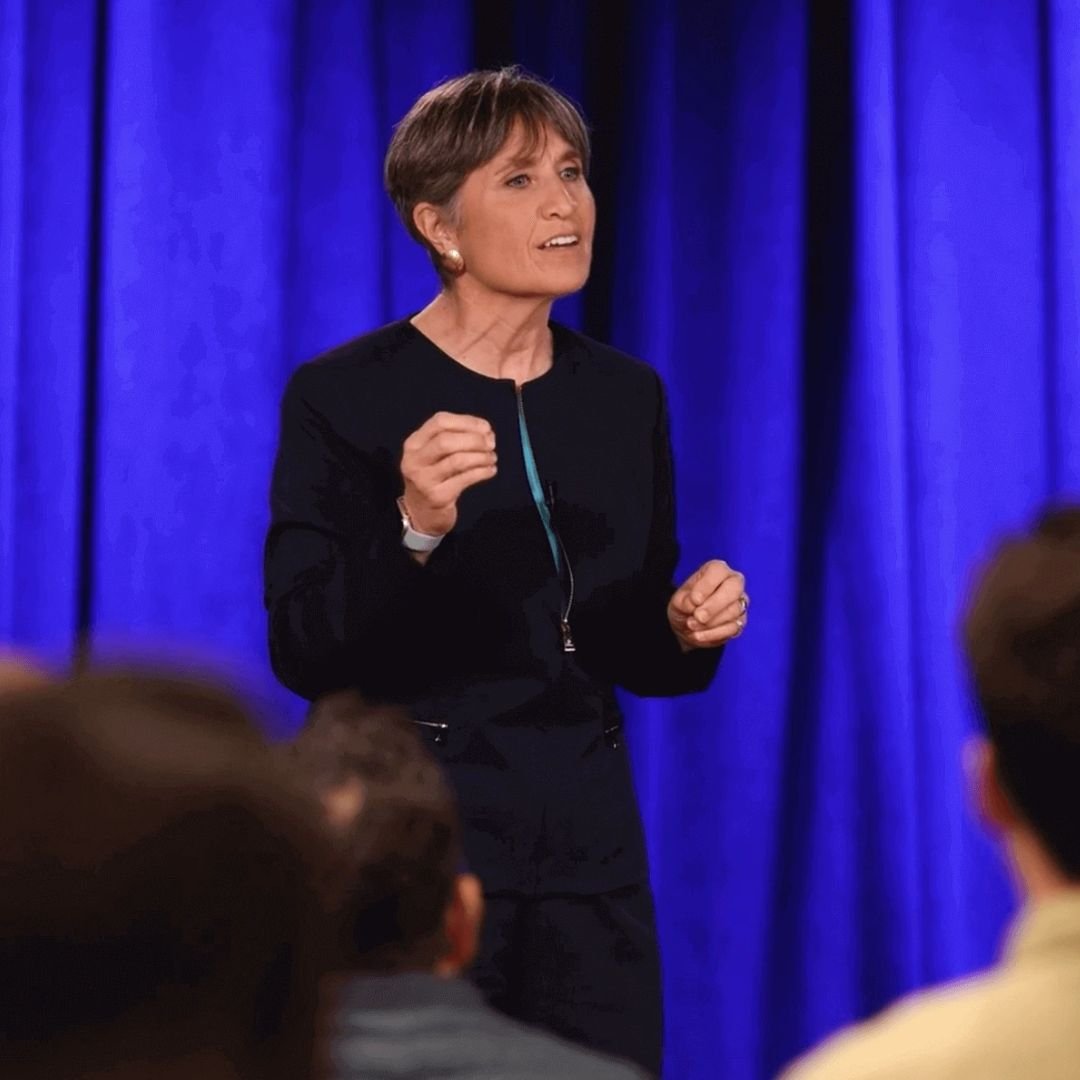
Training stops where these cases start.
Three in four American adults live with a chronic condition. Clinical training still teaches the quick fix: diagnose, treat, move on.
So when the tests come back clean and the patient is still sick, the clinician has nowhere to go. The case drifts. The patient gets referred on, or dismissed. The clinician carries a quiet sense of failure, visit after visit.
That costs everyone. It means delayed diagnoses, eroded patient trust, and one of the least visible drivers of burnout.
Observation is an intervention, not a waste of time.
“Wait and see” usually just means waiting. This framework turns that time into deliberate clinical work, with structured ways to:
Keep a complex case open without carrying it home
Turn the time between visits into diagnostic information
Catch premature closure and anchoring before they set in
Partner with patients as expert witnesses to their own illness
None of it adds a new protocol to a full day. Each tool takes about five minutes.
WHAT’S INSIDE
An 8-page clinical framework that follows a case as it grows in complexity:
Phase I: Empirical Observation (Initial Workup): Rapid time-boxed checks including a 1–2 minute Pre-Visit Prep, a 30–60 second Observation Pause, and a final Diagnostic Integrity Check.
Phase II: Empathic Observation (Conflicting Clues): A practical 1–10 Uncertainty Mapping scale to evaluate when to test, when to wait, and how patient distress may silently bias clinical reasoning.
Phase III: Enduring Observation (Long-Term Management): Structured frameworks for reframing follow-up visits, establishing patient-led tracking, and building shared clinical benchmarks.
PLUS…
✓ Scripts & Word-for-Word Language: Professional phrasing to safely and cleanly name, recognize, and normalize uncertainty in the room with your patient.
✓ Phase-by-Phase Review Checklists: Rapid diagnostic reassessment questions and internal dialogue checks designed to fit seamlessly into a demanding clinic schedule.
WHO IT’S FOR
Medical educators teaching diagnostic reasoning or clinical communication
Medical school and residency programs
Early-career clinicians managing complex cases
Care teams who see the same hard cases again and again
WHAT CLINICIANS SAY
“To me, it is part of the scientific method. This looks useful for training students and residents, and after that as CME.”
— Paul Behrens, Founder, Human Rights Consortium Scotland
“Specific enough that a clinician could start using them tomorrow without needing more explanation.”
— Denise Wiseman, Co-Founder, Healthcare Reinvention Collaborative
Derived from a co-led course teaching second-year students at the University of New England College of Osteopathic Medicine.
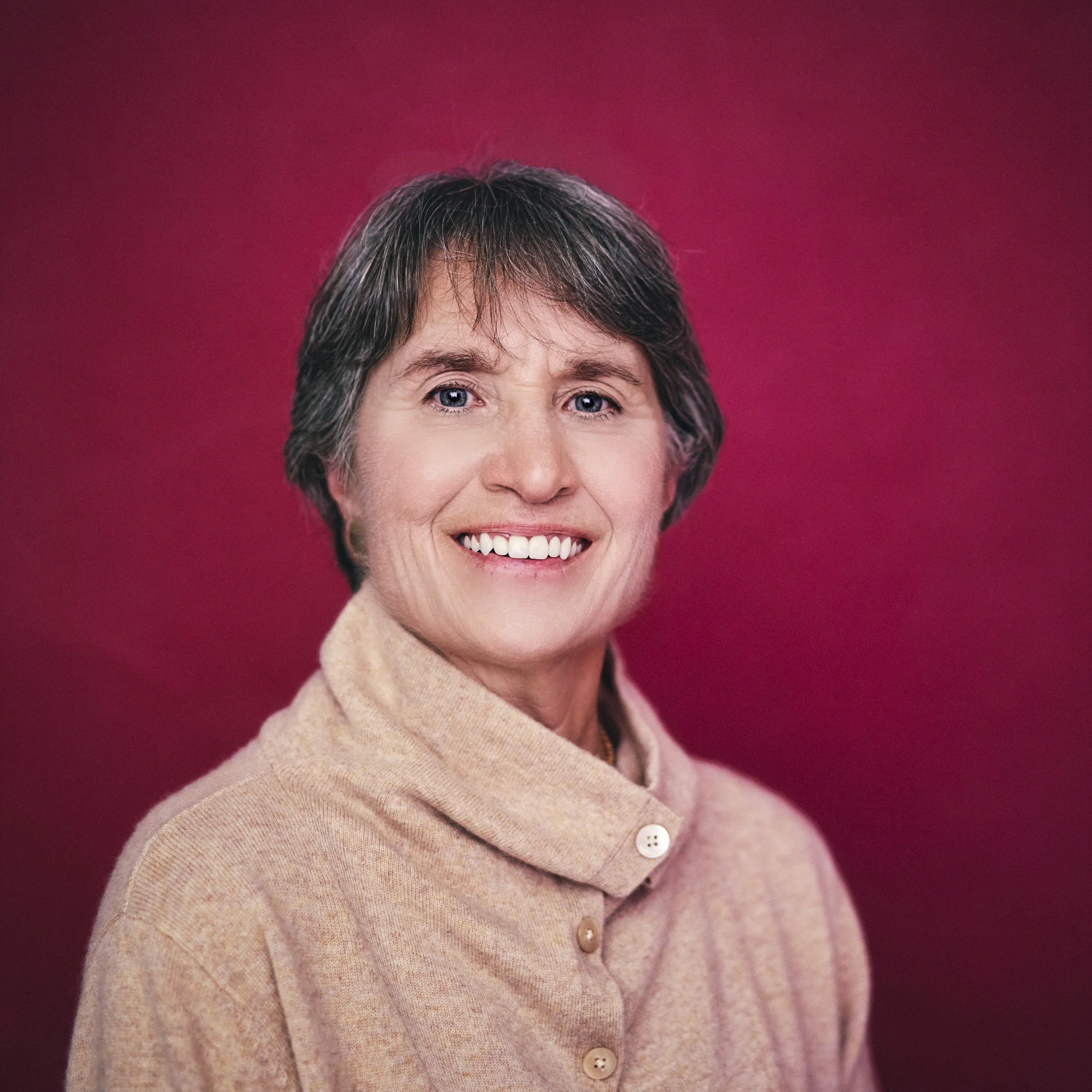
About Caroline Niederman, VMD
Caroline spent 25 years as an equine veterinarian, where every patient was nonverbal and close observation was the main diagnostic tool. Since 2009, she has also lived with ME/CFS, an illness that went undiagnosed through more than a dozen doctors over nine years.
Her workshops and courses at Nuvance Health, the University of New England, and others explore the complexities of chronic care and how clinicians can work with the uncertainty of invisible illness.
Request the Observation Framework for Your Practice or Classroom
Instant 8-page PDF delivery.
Developed by Dr. Caroline Niederman.